Winter 2026
Technology Is Easy. Decisions Are Hard.
Agriculture has never had access to more technology. Yet many businesses still struggle to turn information into better decisions. The challenge may not be technology. It may be judgement.
Winter 2026
Agriculture has never had access to more technology. Yet many businesses still struggle to turn information into better decisions. The challenge may not be technology. It may be judgement.
Business Thinking
Drought concerns and shrinking reservoir levels are forcing difficult decisions for growers. But this is about more than potatoes and vegetables. Water is increasingly becoming a strategic business asset, with implications for food security, resilience and future agricultural competitiveness.

Winter 2026
When Wye Knot opened its first shop, its founder deliberately kept initial stock orders small. Within months, customers had already challenged some of the original assumptions. The lesson is bigger than retail: don't commit more capital to an idea than you need to test it.
Business Thinking
Britain’s food system has proved remarkably resilient. But evidence to Parliament raises a harder question: if resilience requires investment, flexibility and spare capacity, who ultimately pays for it?

Winter 2026
The Defender 110 Hard Top combines 2,059 litres of secure loadspace, 3,500kg towing capacity and serious off-road ability with a level of refinement its ancestors could scarcely have imagined. But does that make it a better rural business vehicle?

Business Thinking
What began with vehicle features, site visits and conversations on rural roads has quietly developed into something bigger. Touring Grandly is RBI's proposed road-trip pilot, connecting rural businesses through the journey between them.
Spring 2027
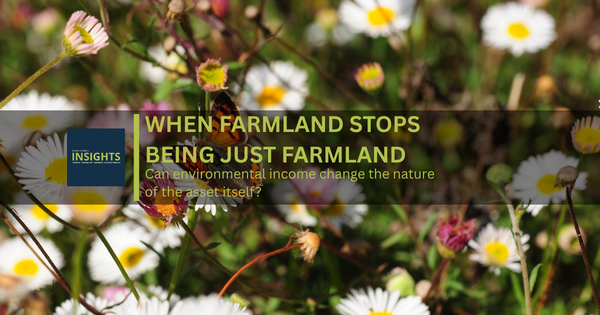
Long-term environmental agreements can create new income from farmland while also binding its management for decades. The bigger question may be what that does to the value, flexibility and future character of the asset.
Drought concerns and shrinking reservoir levels are forcing difficult decisions for growers. But this is about more than potatoes and vegetables. Water is increasingly becoming a strategic business asset, with implications for food security, resilience and future agricultural competitiveness.
Britain’s food system has proved remarkably resilient. But evidence to Parliament raises a harder question: if resilience requires investment, flexibility and spare capacity, who ultimately pays for it?
The Defender 110 Hard Top combines 2,059 litres of secure loadspace, 3,500kg towing capacity and serious off-road ability with a level of refinement its ancestors could scarcely have imagined. But does that make it a better rural business vehicle?
What began with vehicle features, site visits and conversations on rural roads has quietly developed into something bigger. Touring Grandly is RBI's proposed road-trip pilot, connecting rural businesses through the journey between them.
Real businesses. Real experiences. Real insights. Delivered direct to your inbox.
Rural businesses rarely suffer from a shortage of diversification ideas. The harder question is deciding which opportunity genuinely deserves the capital, management time and risk required to make it work.
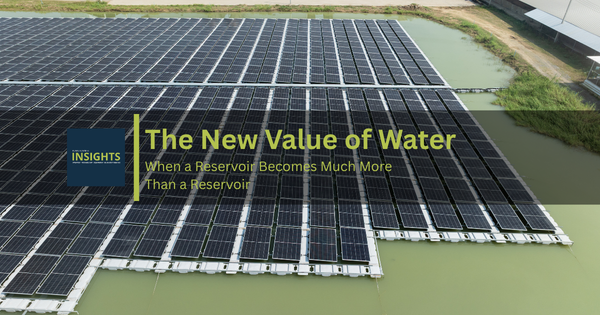
After one of the driest summers on record, farm reservoirs are returning to the spotlight. The more interesting question may not be about water storage, but how many different forms of value one asset can create.
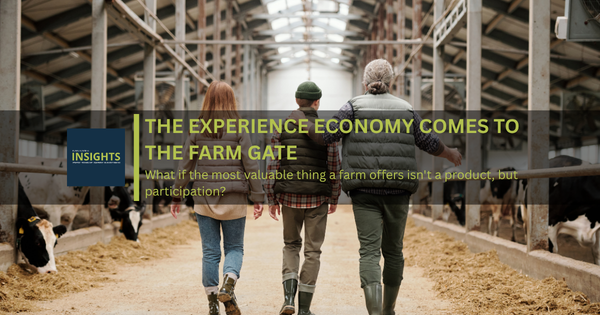
Corporate volunteering, regenerative workshops, leadership retreats and care farming are already proving that people will pay to spend time on farms. The question is whether rural businesses have been underestimating the value of participation itself.
Modern poultry production has become remarkably efficient, but efficiency is no longer the only measure of success. Welfare, sustainability and profitability increasingly compete for attention, creating a new challenge for progressive poultry businesses.
Derbyshire farmers have described 2026 as the hardest summer in a generation. Yet harvest evidence suggests some businesses performed far better than others. The weather was the same. The outcomes were not.
Plasma technology promises chemical-free seed treatments, new fertiliser systems and more sustainable nutrient management. The more interesting question may be when emerging technologies deserve serious business attention.
Milk prices are improving, with Müller, Arla and others announcing increases or price holds. The more interesting question may not be what processors are paying today, but what dairy businesses should do next.
Agriculture benefits enormously from generational knowledge and continuity. But as the industry becomes increasingly complex, a question emerges: is it recruiting from too small a talent pool?
From honesty boxes to self-service stores, unattended retail is becoming increasingly common across the rural economy. The more interesting question may not be how these businesses operate, but what actually makes them successful.
A recent Nuffield Farming Scholarship argues that agriculture's primary challenge is not a lack of knowledge, but a lack of behavioural change. The strongest businesses are often those that build the habit of adaptation.
A recent Nuffield Farming Scholarship suggests the future of upland sheep farming may depend less on maximising production and more on balancing food production, biodiversity, resilience and cultural heritage.

When margins tighten and uncertainty grows, the strongest challengers do not stop innovating. They simply raise the bar. This article examines how farmers are becoming more selective about where they invest, what they expect from technology, and why proving value may be more important than ever.