Precision Farming: Better Decisions Through Better Information
Precision farming is often associated with technology and machinery, but its real value lies in helping businesses make better decisions through better information.

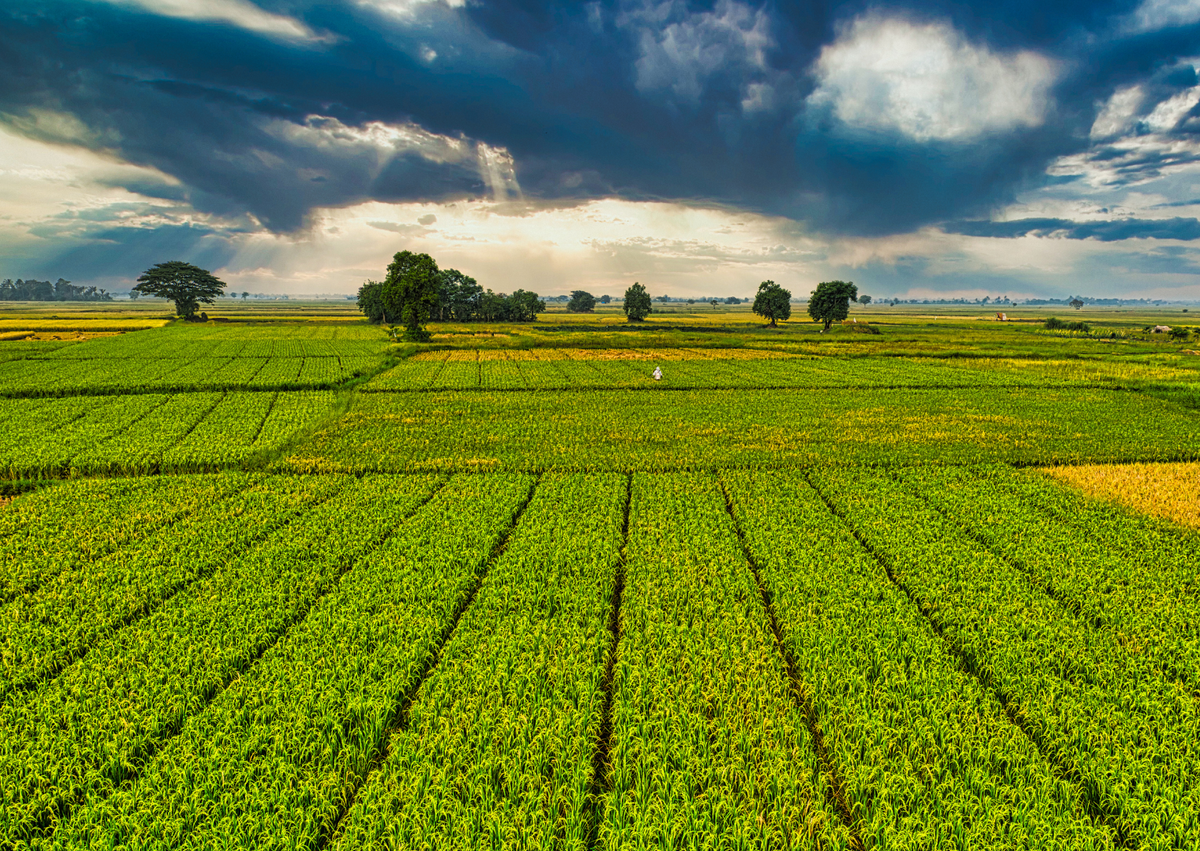
For many years, agriculture has relied upon observation, experience and local knowledge.
Those skills remain essential today.
What has changed is the amount of information available to support decisions.
Precision farming technologies are helping businesses gather increasingly detailed information about:
- Soil conditions.
- Crop performance.
- Input use.
- Machinery operation.
- Field variability.
The objective is straightforward:
Apply the right management intervention in the right place at the right time.
Beyond Larger Yields
Precision farming is sometimes discussed purely in terms of increasing yields.
However, yield improvement is only one potential benefit.
Many businesses are equally interested in:
- Improving efficiency.
- Reducing waste.
- Managing costs.
- Understanding variability.
- Supporting sustainability objectives.
Information can improve confidence in decision making even when obvious yield gains are not achieved.
Technology Is Becoming More Accessible
Tools once reserved for the largest enterprises are becoming increasingly accessible.
Examples include:
- GPS guidance systems.
- Variable-rate applications.
- Digital mapping.
- Drone imagery.
- Remote sensing.
As technology develops, more businesses are able to access information that was previously unavailable or prohibitively expensive.
Data Still Requires Judgement
One common misconception is that more data automatically leads to better decisions.
In reality, information must still be interpreted.
Technology may identify variation within a field.
It cannot automatically determine the most appropriate response.
That requires experience, understanding and business judgement.
The Business Question
Before investing in any technology, it is worth considering:
- What problem are we trying to solve?
- What information are we missing?
- How will this improve decisions?
- Will the expected benefits justify the cost?
Technology should support a business strategy rather than become the strategy itself.
Final Thought
Precision agriculture is ultimately about improving understanding.
The more accurately a business understands its land, crops, operations and resources, the better positioned it becomes to make informed decisions.
And informed decisions remain one of the most valuable assets any rural business can possess.