SFI 2026: Application Windows and What to Consider
The opening of SFI 2026 application windows presents opportunities for many businesses, but participation should begin with business objectives rather than funding alone.

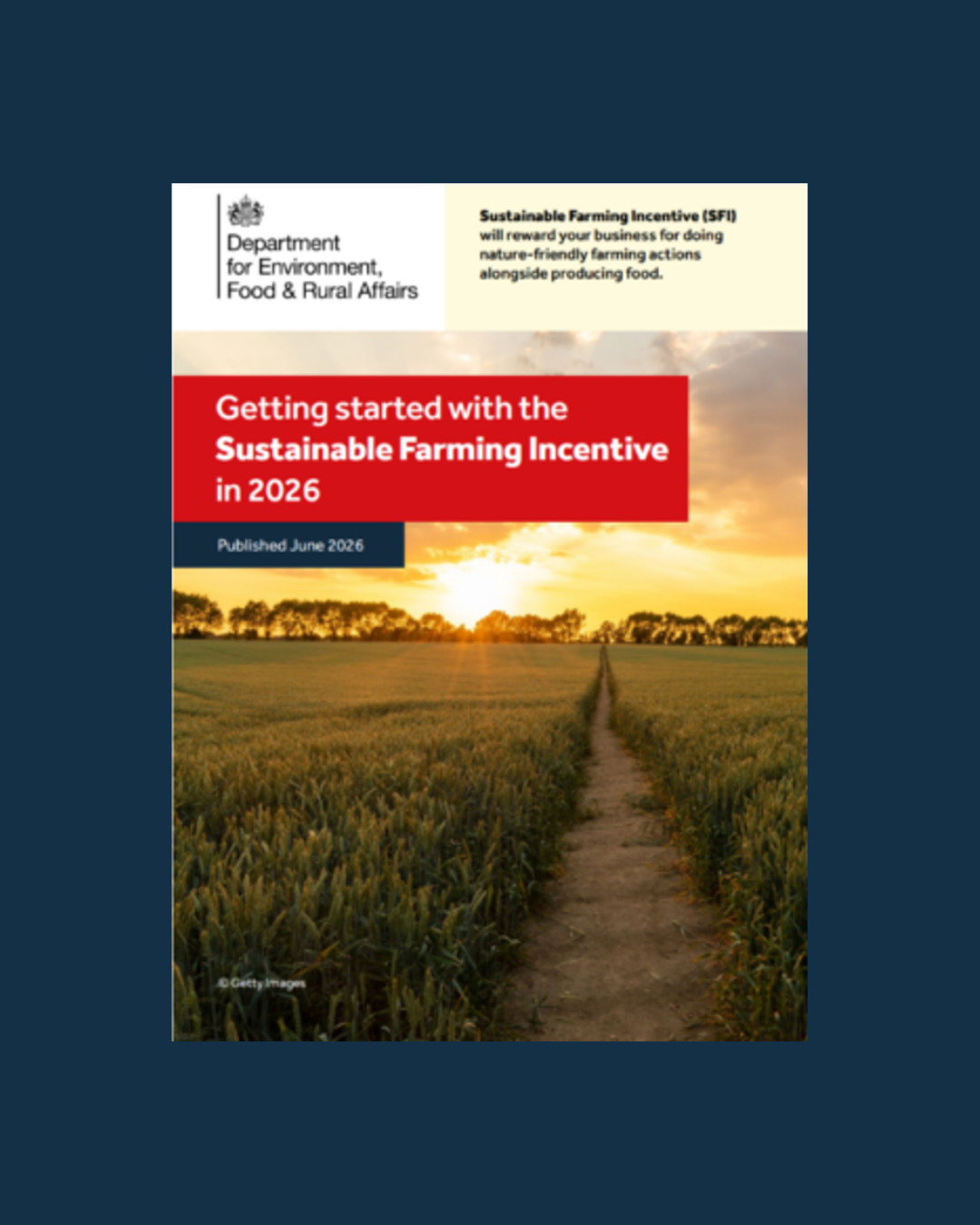
The Sustainable Farming Incentive (SFI) is due to open again in June 2026, with some changes to how applications are structured.
The scheme continues to focus on supporting farm businesses to carry out practical, nature-friendly actions alongside food production. This includes areas such as soil health, input management, habitat creation and wider environmental delivery.
Application windows
One of the key differences for 2026 is the introduction of two application windows.
- Window 1 (June 2026)
Open to:- smaller farms (3–50 hectares)
- farms without an existing Environmental Land Management (ELM) revenue agreement
- Window 2 (September 2026)
Open to:- all farmers and land managers
This staged approach means that access to the scheme is more structured than in previous rounds, and timing may become more relevant depending on eligibility.
What the scheme is designed to do
SFI remains structured around a set of actions that are intended to:
- improve soil health and resilience
- support crops and livestock
- reduce reliance on inputs such as fertilisers and pesticides
- create habitats and support biodiversity
The intention is that these actions also support longer-term productivity and business resilience, rather than being separate from core farming activity.
A more considered starting point
For 2026, the structure of the scheme means that more emphasis is placed on thinking through an application at the outset.
In practical terms, this includes:
- selecting actions that genuinely fit with the farm system
- understanding how they interact with existing operations
- considering how they sit alongside other opportunities, such as land use change or environmental delivery
Whilst SFI remains flexible in design, the initial application is likely to shape how an agreement performs over time.
Preparation before applying
The guidance highlights a number of practical steps that need to be in place before starting an application.
These include:
- ensuring digital land maps are accurate and up to date
- confirming that at least 3 hectares of eligible land are correctly registered
- checking that contact details are current with the Rural Payments Agency
- confirming that the correct permissions are in place to apply
Without these in place, it may not be possible to proceed with an application.
A wider consideration
For many farm businesses, SFI will form part of a broader set of decisions around land use, income and future direction.
In some cases, it will provide a straightforward fit.
In others, it may sit alongside:
- diversification opportunities
- environmental delivery (including BNG)
- changes in how land is managed over time
The key is not simply whether the scheme is available, but how it fits within the wider business.
Closing
As with much of the current policy landscape, the opportunity is there — but outcomes tend to depend on how well the initial approach is thought through.
Taking time to understand both the scheme and the wider context is likely to be as important as the application itself.